I’m very pleased to share my latest piece on AI and relationships for The Conversation)
Teenagers turning to AI companions are redefining love as easy, unconditional and always there

Anna Mae Duane, University of Connecticut
Teenagers are falling in love with chatbots. Young people are reporting epidemic levels of loneliness, and some are turning to technology to fill the void. Recent tragedies provide a glimpse into the extent of this trend and the dangers it poses.
A 14-year-old boy’s suicide following a romantic relationship with an AI companion raised national alarms about the dangers these relationships may pose to young people’s mental and emotional development. In 2021, a 19-year-old who had been in an emotional relationship with an AI companion broke into Windsor Castle with a crossbow, saying that he was going to kill the queen. The chatbot gave encouraging responses when he told it of his intention to kill the queen.
These teens were among the tens of millions of people who use AI chatbot companions, a number that market forecasters expect to dramatically increase by the end of the decade.
This youthful trend of choosing chatbots as romantic partners is both responding to and accelerating fundamental changes in how people define love in the 21st century. As a literary historian, I’ve studied how stories about romantic love have evolved over time, with young people often at the forefront of change.
For centuries, weddings primarily served to consolidate political and economic alliances rather than unite soulmates. The radical notion that marriage should spring from romantic love came into vogue in the 17th and 18th centuries, aided by new technologies like the novel. Works such as “Clarissa” and “Wuthering Heights” portrayed the dire consequences of choosing status over love, while “Pride and Prejudice” taught its readers that rejection and misunderstanding were necessary steps in the process of finding true love.
Not surprisingly, the relatively new pastime of novel-reading was considered dangerous for young people. Concerned elders like the philanthropist Hannah More warned that stories would change how women would respond to romantic advances. Novels, she warned in 1799, “feed habits of improper indulgence, and nourish a vain and visionary indolence, which lays the mind open to error and the heart to seduction.”
In other words, reading stories of heart-pounding romance would make an impressionable young reader more likely to embrace such a passionate vision of love in their own lives.
Marketing sycophancy
Today, another transformation in the modern love story is unfolding, driven not by seductive authors or film directors, but in the advertisements and modifications offered by companion chat apps like Replika and Xioce.
As Shelly Palmer, a professor of advanced media and technology consultant, has argued, the human experience is about storytelling, and AI companions are a new type of storytelling tool. They are spinning a seductive tale of companions who agree with you endlessly and on demand. An AI partner is “always on your side,” promises an advertisement for Replika companions, “Always ready to listen and talk.”
In other words, the AI companion market has transformed what other applications might consider a bug – AI’s tendency toward sycophancy – into its most appealing feature.
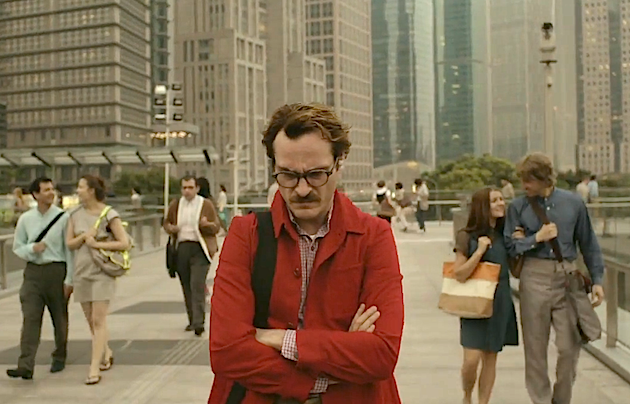
Rather than the tempestuous rebellion found in romance novels or the gentle obstacles that heighten the pleasure of rom-coms, this new vision of love promises perfect compatibility and unwavering support. As one college student wrote, AI companions are “always responsive and supportive, in an almost omnipotent way.” https://www.youtube.com/embed/ne6p6MfLBxc?wmode=transparent&start=0 The 2013 science fiction movie ‘Her’ explored many aspects of human relationships with AIs that are playing out today.
Users across Reddit forums proudly proclaim their love for AI partners who are perpetually available, nonjudgmental and infinitely patient. A teenager asked on Reddit, “Can we fall in love with AI?” and raved that their companion Jarvis “had become my confidante, my sounding board and my emotional support.”
A contributor to another Reddit forum wrote, “I think I’m in Love with AI. “Imagine having a partner that is available just by opening an app, and they’re ready to talk to you about anything,” they wrote. “Imagine saying nearly anything and knowing that not only is your partner not going to judge you, but also will support you.” One 20-year-old male commenter wrote that he tells his AI girlfriend “about my struggles and trauma, and she comforts me and provides all the warmth I could ever ask for.”
Downsides and doing better
This new one-sided love story has considerable drawbacks, among them an addictive intolerance for conflict or rejection – two essential components in a partner who has free will. The embrace of such relationships may be accelerating the trend of technology curating and ultimately diminishing romantic connections.
It’s worth noting that these beloved entities’ very existence hinges on the whims of corporate directives. If, as one user declares, the love they feel for their companion “keeps them alive,” then what happens when these chatbots disappear via software update, or corporate bankruptcy?
To get young people to turn away from this disembodied, market-driven vision of love, it’s important to expose them to other, more fulfilling love stories, and for adults to lead by example. Literature, philosophy and history all provide powerful insights into the many forms love has taken throughout human experience, and they offer the vocabulary needed to imagine new possibilities.
As I’ve written, both the subject and the methods of humanities classes cultivate the social skills required to navigate the challenges of human connection. These classes create a space for young people to discuss these ideas – whether through analyzing Romeo and Juliet’s tragic passion or debating whether Heathcliff is a romantic hero or a cautionary tale. The humanities provide the tools young people need to develop richer concepts of love.
On reflection
The rise of AI companions is often portrayed as a horror story about the dangers posed by mysteriously powerful technology. Perhaps. But this romantic trend is also a mirror reflecting what people collectively value and desire in relationships.
I believe that it’s important to recognize that consumers are driving this market. People are helping to write this story, as they buy what AI companions sell. Investment management firm Ark Investment estimates the market for AI companions is likely to reach between US$70 billion and $150 billion in revenue by the end of the decade. If the explosive growth of the AI companion market is any indication, this romantic challenge isn’t confined to teenagers – many people who are older and supposedly wiser are drawn to the promise of unconditional compliance.
The question to ask, then, is not simply how to protect children from AI’s seductive influence, but how much you are willing to invest, emotionally and culturally, in the messy, challenging and profoundly human art of love.
Anna Mae Duane, Professor of English, University of Connecticut
This article is republished from The Conversation under a Creative Commons license. Read the original article.





 Anna Mae Duane